Εμφάνιση αναρτήσεων με ετικέτα VIDEO. Εμφάνιση όλων των αναρτήσεων

Τρίτη 20 Μαρτίου 2018

ΠΟΙΑ ΕΙΝΑΙ ΤΑ ''ΣΥΜΠTΩΜΑΤΑ'' ΠΟΥ ΒΟΗΘΟΥΝ ΣΤΗΝ ΕΓΚΑΙΡΗ ΔΙΑΓΝΩΣΗ ΤΟΥ ΑΥΤΙΣΜΟΥ-AUTISM EARLY DIAGNOSIS


Δείτε στο σύντομο αυτό  βίντεο τα πρώίμα σημεία του αυτισμού
ΕΓΚΑΙΡΗ ΔΙΑΓΝΩΣΗ ΑΥΤΙΣΜΟΥ-AUTISM EARLY DIAGNOSIS
Ο αυτισμός είναι μια νευροβιολογική κατάσταση με πολλές προκλήσεις αλλά και σπουδαία χαρίσματα. Δεν είναι μια ψυχική ασθένεια ή αποτέλεσμα κακών γονέων και πολλοί άνθρωποι με αυτισμό έχουν διαπρέψει και
προσφέρει πολλά στην κοινωνία μας.
Για να ανήκει το παιδί στην διαγνωστική κατηγορία “Διαταραχή Αυτιστικού Φάσματος”, πρέπει να έχει τουλάχιστον έξι συμπτώματα, με τουλάχιστον δύο συμπτώματα από τον τομέα: κοινωνική αλληλεπίδραση και ένα σύμπτωμα από τον τομέα: επικοινωνία και από τον τομέα: συμπεριφορά.
Διαγνωστικά κριτήρια
Κοινωνική αλληλεπίδραση:
• Χαρακτηριστική αδυναμία στη χρήση πολλαπλών μη λεκτικών συμπεριφορών
• Αποτυχία να αναπτύξει κατάλληλες για την ηλικία του σχέσεις με συνομηλίκους του
• Έλλειψη αυθόρμητης αναζήτησης να μοιραστεί τα ενδιαφέροντα ή τα επιτεύγματα του με τους άλλους
• Έλλειψη κοινωνικής ή συναισθηματικής αμοιβαιότητας
Επικοινωνία:
• Καθυστέρηση ή έλλειψη της προφορικής γλωσσικής ανάπτυξης
• Σοβαρή αδυναμία στις ομιλητικές δεξιότητες
• Στερεοτυπική και επαναλαμβανόμενη χρήση της γλώσσας
• Έλλειψη αυθόρμητου, κατάλληλου για την ηλικία, συμβολικού παιχνιδιού ή παιχνιδιού μίμησης
Συμπεριφορά:
• Απασχόληση με τουλάχιστον ένα στερεότυπο και περιορισμένο μοτίβο ενδιαφέροντος σε μη φυσιολογικό βαθμό
• Άκαμπτη εμμονή σε μη λειτουργικές ρουτίνες ή τελετουργίες
• Επαναλαμβανόμενες κινήσεις και ενασχόληση με τμήματα αντικειμένων
• Επίμονη ενασχόληση με μέρη αντικειμένων

Εκτός από αυτά τα έξη συμπτώματα, το παιδί πρέπει επίσης να δείχνει μια καθυστέρηση στην κοινωνική αλληλεπίδραση, την κοινωνική επικοινωνία, ή το συμβολικό παιχνίδι. Η διάγνωση του αυτισμού μπορεί να συμβεί και αργότερα αλλά είναι σαφές ότι τα συμπτώματα είναι εμφανή πριν από την ηλικία των 3 ετών.

Learn the Signs of Autism

The following "red flags" may indicate your child is at risk for an autism spectrum disorder. If your child exhibits any of the following, please don’t delay in asking your pediatrician or family doctor for an evaluation:
  • No big smiles or other warm, joyful expressions by six months or thereafter
  • No back-and-forth sharing of sounds, smiles or other facial expressions by nine months
  • No babbling by 12 months
  • No back-and-forth gestures such as pointing, showing, reaching or waving by 12 months
  • No words by 16 months
  • No meaningful, two-word phrases (not including imitating or repeating) by 24 months
  • Any loss of speech, babbling or social skills at any age
 
Πηγές :Autism Resources (www.autism-resources.com) , i-kid, AUTISM SPEAKS

=======


Παρασκευή 2 Μαρτίου 2018

Why you need Folic Acid ( before )and during pregnancy

Importance Of Folic Acid During Pregnancy 

El ácido fólico es una vitamina B. Tomar 400 microgramos (mcg) de ácido fólico todos los días por lo menos un mes antes de quedar embarazada puede ayudar a prevenir graves defectos de nacimiento del cerebro y la columna vertebral. Tome una multivitamina con 400 mcg de ácido fólico todos los días. ¡Mejore su consumo de vitaminas al disfrutar este saludable batido!

Folic acid is a B vitamin. Getting 400 micrograms (mcg) of folic acid every day at least a month before becoming pregnant can help prevent serious birth defects of the brain and spine. Take a multivitamin with 400 mcg of folic acid every day. Give your vitamin intake a boost by enjoying this healthy smoothie!

Image result for folic acidFolate and folic acid are forms of a water-soluble B vitamin. Folate occurs naturally in food, and folic acid is the synthetic form of this vitamin. Since 1998, folic acid has been added to cold cereals, flour, breads, pasta, bakery items, cookies, and crackers, as required by federal law. Foods that are naturally high in folate include leafy vegetables (such as spinach, broccoli, and lettuce), okra, asparagus, fruits (such as bananas, melons, and lemons) beans, yeast, mushrooms, meat (such as beef liver and kidney), orange juice, and tomato juice.

Folic acid is used for preventing and treating low blood levels of folate (folate deficiency), as well as its complications, including “tired blood” (anemia) and the inability of the bowel to absorb nutrients properly. Folic acid is also used for other conditions commonly associated with folate deficiency, including ulcerative colitis, liver disease, alcoholism, and kidney dialysis.

Women who are pregnant or might become pregnant take folic acid to prevent miscarriage and “neural tube defects,” birth defects such as spina bifida that occur when the fetus’s spine and back do not close during development.

Some people use folic acid to prevent colon cancer or cervical cancer. It is also used to prevent heart disease and stroke, as well as to reduce blood levels of a chemical called homocysteine. High homocysteine levels might be a risk for heart disease.

Folic acid is used for memory loss, Alzheimer’s disease, age-related hearing loss, preventing the eye disease age-related macular degeneration (AMD), reducing signs of aging, weak bones (osteoporosis), jumpy legs (restless leg syndrome), sleep problems, depression, nerve pain, muscle pain, AIDS, a skin disease called vitiligo, and an inherited disease called Fragile-X syndrome. It is also used for reducing harmful side effects of treatment with the medications lometrexol and methotrexate.

Some people apply folic acid directly to the gum for treating gum infections.

Folic acid is often used in combination with other B vitamins.

How does it work?

Folic acid is needed for the proper development of the human body. It is involved in producing the genetic material called DNA and in numerous other bodily functions . 
SOURCES : CDC, WebMD etc

Πέμπτη 1 Μαρτίου 2018

How to Build a Strong Bond with a Teen


5 Ways to Build a Strong Bond with Your Teen

Image result for STRONG BOND WITH YOUR TEENFew parenting challenges are quite as terrifying as handling a teenager. Sure, potty training may seem like an endless battle at the time, but it looks like a piece of cake in comparison to parenting a teen. Horror stories of teenage moodiness, rebellion, and questionable taste in friends leave many parents feeling grossly unprepared for the unavoidable drama on the horizon.
The key to successfully tackling this phase is to take a deep breath, relax, and remember that teens are not monsters. They’re just kids going through a lot of physical, emotional, and social changes–all at the same time. Parents can build and maintain a healthy relationship with their children throughout the teen years with a bit of patience and a lot of love. The following tips help parents create a lasting bond that makes navigating the teen years somewhat easier:
  1. Talk. Although teens seem to prefer spending most of their time in their rooms, they do want to know that their parents take an interest in their lives. The key to conversing with a teen is to keep it casual and relaxed. Much to a parent’s surprise, an informal “How was your day?” can prompt many teens to open up. Talking regularly about friends is a helpful way to monitor what’s happening in a child’s peer crowd. It also shows teens that their parents are genuinely interested in what’s happening in their personal lives. Goals, accomplishments, struggles, and any individual interests (sports, movies, music) are fantastic subjects. The point of these daily discussions is to establish a fun, relaxed, and enjoyable exchange of information. It’s incredibly important that these chats never turn into a scolding session; that will only turn teens off to the whole idea. Parents should aim for at least 15 to 30 minutes of conversation each day at a time when their kids seem particularly chatty–after school, in the car, at the dinner table, or before bed are great opportunities.
  1. Listen, listen, listen. Once the conversations start flowing, parents should let their teens take the reins. That allows them to steer the conversation in the direction they desire. Great listening provides teens the chance to unload what’s on their mind. It’s helpful to respond to them with appropriate comments and questions and encourage them to elaborate. Listening is incredibly crucial during difficult or touchy conversations. Parents should try to listen to their teen with an open mind and respond constructively if their teen approaches them with a problem. It can be difficult for parents to remain calm when their child has done something wrong, but it’s essential to maintain this open line of communication. A hasty reaction may cause a teen to clam up in the future.
  2. Establish and enforce rules. Although it’s important to listen and remain rational while discussing troubling situations with teens, it’s equally important to set standards. Teens need to learn acceptable behavior, and they need to know that there are consequences in life when they break those rules. Parents should avoid screaming, shouting, and belittling, but merely enforce whatever punishment fits the offense.
    1. Spend time together. Spending quality time together is a great way to build a strong bond. Life gets hectic, and crazy schedules can leave many teens feeling forgotten and isolated. Taking time out of a busy schedule to hang out together makes a teen feel valued and appreciated. A simple gesture, such as going for a hike, grabbing an ice cream, or catching a movie, will make a world of difference.
    1. Be a parent. It’s easy to blur the line between parent and friend when desperately trying to form a bond with a teen. It can be tricky to listen and be open-minded like a friend while still setting and enforcing rules and boundaries. Even though it may cause small arguments, teens need responsible parents who look out for them and keep them safe. Parents concerned that doling out punishments will break their bond with their child should remember that teens often respect parents who stick to their word (even though they’d never admit it).
    The teen years can be quite a rollercoaster, but they don’t have to be a monstrous nightmare. Parents can develop an unbreakable bond with their teens with regular conversations, fantastic listening skills, and understanding but firm demeanor. Spending quality time together and showing genuine interest in their hobbies, friends, and personal lives will strengthen that bond. Patience and an open mind are incredibly helpful when raising a teen, and they can make these years incredibly enjoyable.
     

Κυριακή 11 Φεβρουαρίου 2018

ΤΙ ΕΙΝΑΙ ΚΑΙ ΠΟΙΕΣ ΕΙΝΑΙ ΟΙ ΣΥΓΓΕΝΕΙΣ ΚΑΡΔΙΟΠΑΘΕΙΕΣ


ΤΙ ΕΙΝΑΙ ΚΑΙ ΠΟΙΕΣ ΕΙΝΑΙ  ΟΙ ΣΥΓΓΕΝΕΙΣ ΚΑΡΔΙΟΠΑΘΕΙΕΣ
H λέξη «συγγενής» σημαίνει ότι υπάρχει κατά τη γέννηση. Ο όρος «συγγενής καρδιοπάθεια» σημαίνει, δηλαδή, ότι όταν γεννιέται ένα παιδί υπάρχει ήδη μια πάθηση της καρδιάς. Αυτή η πάθηση είναι ένα ελάττωμα, μια ανωμαλία – δεν είναι μια νόσος, μια αρρώστια με τη συνηθισμένη έννοια. Θα ήταν, λοιπόν, πιο ακριβές να μιλάμε για «συγγενές καρδιακό ελάττωμα» (congenital heart defect), αλλά στα ελληνικά έχει καθιερωθεί ό όρος «συγγενής καρδιοπάθεια». Ένα καρδιακό ελάττωμα, μια συγγενής καρδιοπάθεια, δημιουργείται όταν η καρδιά ή τα αγγεία του αίματος κοντά στην καρδιά δεν αναπτύσσονται φυσιολογικά πριν από τη γέννηση.
Αν το παιδί σας γεννηθεί με συγγενή καρδιοπάθεια σήμερα, οι πιθανότητες είναι καλύτερες από ποτέ άλλοτε ότι το πρόβλημα θα ξεπεραστεί και ότι θα ακολουθήσει μια φυσιολογική ζωή ενηλίκου. Η πρόσφατη πρόοδος στη διάγνωση και τη θεραπεία (με εγχείρηση ή με καρδιακό καθετηριασμό) μας έχει δώσει τη δυνατότητα να διορθώνουμε τις περισσότερες συγγενείς καρδιοπάθειες, ακόμα και εκείνες που κάποτε εθεωρούντο να έχουν πολύ κακή εξέλιξη, χωρίς ελπίδα. Καθώς η διάγνωση και η θεραπεία συνεχίζουν να εξελίσσονται και να προχωρούν, οι επιστήμονες θα αναπτύξουν θεραπείες και για άλλους τύπους συγγενούς καρδιοπάθειας.


Τουλάχιστον εννέα (9) από κάθε 1000 βρέφη που γεννιούνται σε ένα έτος έχουν συγγενή καρδιοπάθεια. Αυτό αποτελεί σχεδόν το ένα τοις εκατό των ζώντων νεογέννητων παιδιών. Μερικές φορές η καρδιοπάθεια είναι τόσο ήπια ώστε δεν υπάρχουν εξωτερικές εκδηλώσεις, δεν υπάρχουν συμπτώματα. Σε άλλες περιπτώσεις, είναι τόσο σοβαρή που το νεογέννητο βρέφος αρρωσταίνει αμέσως μετά τη γέννηση. Σε άλλες πάλι περιπτώσεις, τα σημάδια και τα συμπτώματα εμφανίζονται μόνο αργότερα, στη διάρκεια της παιδικής ηλικίας.
Ανάλογα  με το είδος της συγγενούς καρδιοπάθειας, οι πιθανότητες να γεννηθεί αδερφός ή αδερφή με την ίδια ή με άλλη καρδιοπάθεια είναι περίπου 2-3 τοις εκατό .

Πέμπτη 8 Φεβρουαρίου 2018

Facts about Congenital Heart Defects

Congenital heart defects (CHDs) are the most common type of birth defect. As medical care and treatment have advanced, babies with a CHD are living longer and healthier lives. Learn more facts about CHDs below.

What are Congenital Heart Defects (CHDs)?

CHDs are present at birth and can affect the structure of a baby’s heart and the way it works. They can affect how blood flows through the heart and out to the rest of the body. CHDs can vary from mild (such as a small hole in the heart) to severe (such as missing or poorly formed parts of the heart).
About 1 in 4 babies born with a heart defect has a critical CHD (also known as critical congenital heart disease).1 Babies with a critical CHD need surgery or other procedures in the first year of life.

Types

Listed below are examples of different types of CHDs.
  • Atrial Septal Defect
  • Atrioventricular Septal Defect
  • Coarctation of the Aorta
  • Double-outlet right ventricle
  • d-Transposition of the great arteries
  • Ebstein anomaly
  • Hypoplastic Left Heart Syndrome
  • Interrupted aortic arch
  • Pulmonary atresia
  • Single ventricle
  • Tetralogy of Fallot
  • Total Anomalous Pulmonary Venous Return
  • Tricuspid atresia
  • Truncus Arteriosus
  • Ventricular Septal Defect

Signs and Symptoms

Signs and symptoms for CHDs depend on the type and severity of the particular defect. Some defects might have few or no signs or symptoms. Others might cause a baby to have the following symptoms:
  • Blue-tinted nails or lips
  • Fast or troubled breathing
  • Tiredness when feeding
  • Sleepiness
  • DIAGNOSIS 
  • Some CHDs may be diagnosed during pregnancy using a special type of ultrasound called a fetal echocardiogram, which creates ultrasound pictures of the heart of the developing baby. However, some CHDs are not detected until after birth or later in life, during childhood or adulthood. If a healthcare provider suspects a CHD may be present, the baby can get several tests (such as an echocardiogram) to confirm the diagnosis
  • source :CDC

Σάββατο 20 Ιανουαρίου 2018

HOW WE SEE -ΠΩΣ ΛΕΙΤΟΥΡΓΕΙ Η ΟΡΑΣΗ

How we see

 Sight is one of our most complex senses. But have you ever stopped to wonder just how eyes work?


There are many different parts of the eye that help to create vision. Light passes through the cornea, the clear, dome-shaped surface that covers the front of the eye. The cornea bends - or refracts - this incoming light. The iris, the colored part of the eye, regulates the size of the pupil, the opening that controls the amount of light that enters the eye. Behind the pupil is the lens, a clear part of the eye that further focuses light, or an image, onto the retina. The retina is a thin, delicate, photosensitive tissue that contains the special “photoreceptor” cells that convert light into electrical signals. These electrical signals are processed further, and then travel from the retina of the eye to the brain through the optic nerve, a bundle of about one million nerve fibers. We “see” with our brains; our eyes collect visual information and begin this complex process.
LEARN MORE WATCHING THE VIDEO

Η ΛΕΙΤΟΥΡΓΙΑ ΤΗΣ ΟΡΑΣΗΣ

Η λειτουργία της όρασης είναι μια πολύπλοκη διαδικασία που μας επιτρέπει να αντιλαμβανόμαστε ότι γίνεται γύρω μας. Ξεκινάει από τους οφθαλμούς και ολοκληρώνεται στον εγκέφαλό μας.
 Τα μάτια μοιάζουν στη λειτουργία με μια φωτογραφική μηχανή. Ο κρυσταλλοειδής φακός του οφθαλμού παίζει το ρόλο του φακού της φωτογραφικής μηχανής, που είναι να εστιάζει την εικόνα. Στην μεν φωτογραφική μηχανή η εστίαση γίνεται στο φιλμ ενώ στο μάτι μας στον αμφιβληστροειδή χτινώνα. Οι διεγέρσεις του αμφιβληστροειδούς χιτώνα μεταφέρονται με το οπτικό νεύρο στο οπτικό κέντρο του εγκεφάλου. Τέλος, η κόρη του οφθαλμού παίζει το ρόλο του διαφράγματος, ρυθμίζοντας τη ποσότητα του φωτός που εισέρχεται στο μάτι.ΜΑΘΕΤΕ ΠΕΡΙΣΣΟΤΕΡΑ .ΔΕΙΤΕ ΤΟ VIDEO

 https://www.facebook.com/Pediamed-119180935417811/

SOURCE OF VIDEO : HEALTH VIDEO MEDLINE PLUS....

Τετάρτη 17 Ιανουαρίου 2018

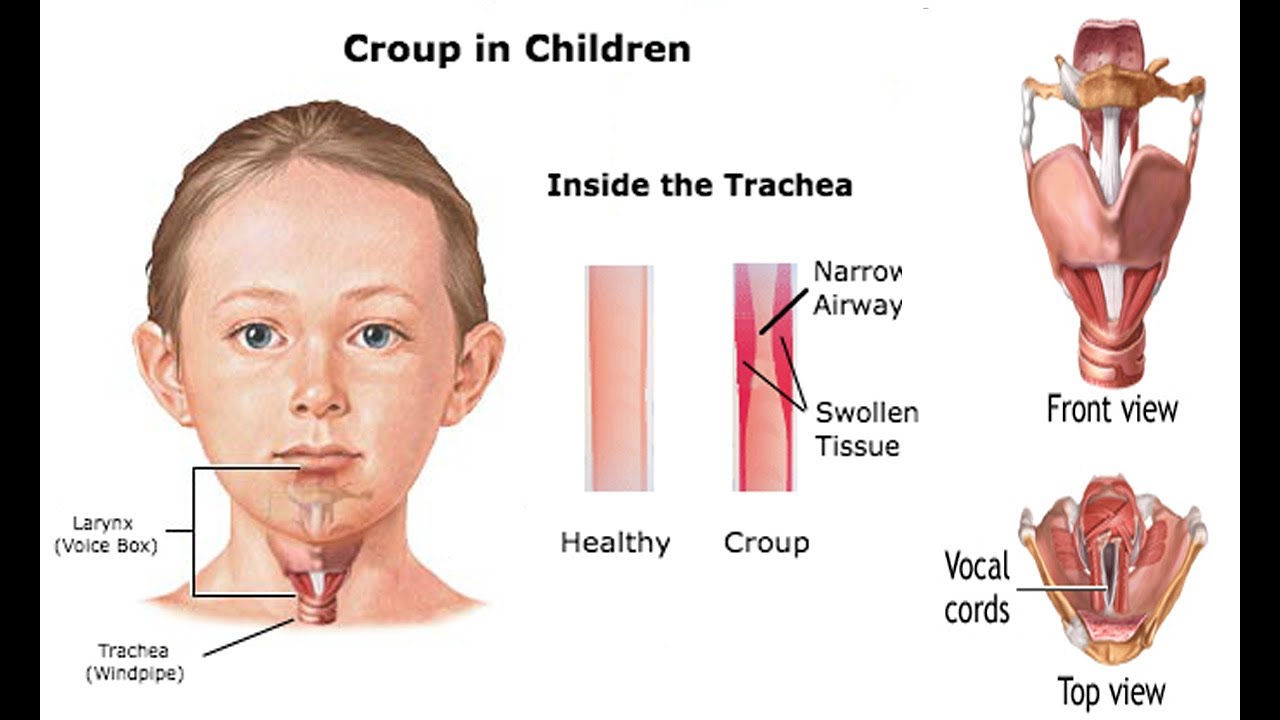
What Croup is?


Croup is a condition that affects babies' and young children's airways. 

The cough and other symptoms of croup are the result of swelling around the vocal cords (larynx), windpipe (trachea) and bronchial tubes (bronchi). When a cough forces air through this narrowed passage, the swollen vocal cords produce a noise similar to a seal barking. Likewise, taking a breath often produces a high-pitched whistling sound (stridor).
Croup typically occurs in younger children. Croup usually isn't serious and most cases can be treated at home.
 Symptoms of croup:
  • a barking cough that sounds like a seal (you can hear example watching the video )
  • a hoarse voice
  • difficulty breathing
  • a rasping sound when breathing in
Your child will usually have cold-like symptoms to begin with, such as a temperature, runny nose and cough.
Croup symptoms usually come on after a few days and are often worse at night.
Image result for CROUP

How to treat croup at home

Croup usually gets better on its own within 48 hours.


Do


  • stay calm
  • sit your child upright
  • comfort them if they're distressed (crying can make the symptoms worse)
  • give them plenty of fluids
  •  

    What is the treatment?

    Croup is caused by viruses, so antibiotics do not help.
    Mild cases of croup can be managed at home and no medication is needed.
    In moderate to severe croup, steroid medication is an effective treatment given by doctors. This reduces the swelling in your child's airway and helps them to breathe more easily. It does not change the cough but does reduce the stridor (the harsh noise heard when your child breathes in) which is the most serious aspect of the illness. Steroids work for about 48 hours.
    In the most severe cases, nebulised adrenaline may also be given

    Sources : NHS, Mayo Clinic, Kidshealth , WebMD etc.
  •  
  • /https://www.facebook.com/Pediamed-119180935417811/
  •  

HOW TO PROTECT OURSELVES FROM EMF RADIATION - ΠΩΣ ΝΑ ΠΡΟΣΤΑΤΕΥΤΕΙΤΕ ΑΠΟ ΤΗΝ ΑΚΤΙΝΟΒΟΛΙΑ ΤΩΝ ΚΙΝΗΤΩΝ , WI-FI etc

https://www.facebook.com/Pediamed-119180935417811/

Is electromagnetic radiation really safe?Electromagnetic radiation may surround us in modern everyday life, but what is it? And is it actually safe? While some forms of electromagnetic radiation are known to be harmful, other forms are more controversial 
.A basic point to remember is that EMFs come from all sorts of things, including your microwave, cell  phone, cordless telephones, smart meters, TV and radio broadcasts, computers, power lines, fitness tracking devices, router . 
..............
Non-Ionizing Radiation
This category of electromagnetic radiation includes low- to mid-frequency radiation, which is generally perceived as harmless due to its lack of potency.
Forms of non-ionizing radiation include:
  • Extremely Low Frequency (ELF)
  • Radiofrequency (RF)
  • Microwaves
  • Visual Light
Source examples include:
  • Microwave ovens
  • Computers
  • House energy smart meters
  • Wireless (Wi-Fi) networks
  • Cell Phones
  • Bluetooth devices
  • Power lines
  • MRIs
  • ..........................
Protection
 Keep Your Cell Phone and Computer at a Distance When Possible 
Avoid Bluetooth Headsets and Use Speakerphone Instead
 Try Earthing (earthing is making direct contact with the earth, putting you in contact with electrons found on the surface of the earth)
 Protect Your Home
There are a few things you can do to protect your family while at home, such as electromagnetic radiation filters and even special paint and fabrics that can help shield your home. There are some very basic things you can do, too.
  • Unplugging appliances when not in use.
  • Keep the bedroom clear of as many EMFs as possible.
  • If you do use Wi-Fi instead of ethernet internet in the home, unplug it when it’s not in use and be sure to keep the router away from areas where you or family members spend a lot of time.
  • SOURCES :DR. AXE , NCECH

Παρασκευή 5 Ιανουαρίου 2018

Πως τα Μέσα( TV , PC ) επηρεάζουν τα παιδιά μας ? Τι μπορούμε να κάνουμε ?-How the media affects children


Έχει διαπιστωθεί ότι ο χρόνος παρακολούθησης τηλεοπτικών προγραμμάτων αυξάνει τα τελευταία χρόνια και είναι ιδιαιτέρως αυξημένος στις μικρότερες ηλικίες. Οι αρνητικές επιδράσεις που έχει η πολύωρη παθητική παρακολούθηση της τηλεόρασης για την υγεία των παιδιών είναι πολύπλευρες . Μια πτυχή αυτών αποδίδεται στο τι «χάνουν» τα παιδιά όσο προσκολλώνται στην τηλεόραση.
Έχετε αλήθεια σκεφτεί ποτέ τι δεν κάνουν τα παιδιά σας όλες αυτές τις ώρες που περνάνε μπροστά από την τηλεόραση, παρακολουθώντας παθητικά εκπομπές και τηλεοπτικά προγράμματα το ένα μετά το άλλο; Όταν ένα παιδί στέκεται με τις ώρες μπροστά από την οθόνη, ουσιαστικά χάνει σημαντικές ευκαιρίες για να γίνει πιο δραστήριο πνευματικά, συναισθηματικά, καλλιτεχνικά και κυρίως σωματικά.   Όταν ένα παιδί παρακολουθεί τηλεόραση το πιο πιθανό είναι ότι δεν αναπτύσσει δεξιότητες και συμπεριφορές σημαντικές για τη συνολική διαπαιδαγώγησή του .
Βέβαια η τηλεθέαση δεν έχει μόνο αρνητικά: είναι ένα εργαλείο που αδιαμφισβήτητα συμβάλλει στη νοητική ανάπτυξη του παιδιού και είναι αναπόσπαστο κομμάτι της σύγχρονης ζωής. 
Μάθετε περισσότερα βλέποντας αυτο το βίντεο . ΝΚ
Media in all forms, including TV, computers, and smartphones can affect how children feel, learn, think, and behave. However, parents (you) are still the most important influence.

Media Use Guidelines for Young Children

For children younger than 2:

  • Media use should be very limited and only when an adult is standing by to co-view, talk, and teach. For example, video-chatting with family along with parents.  

For children 18 to 24 months, if you want to introduce digital media:

  • Choose high-quality programming.
  • Use media together with your child.
  • Avoid solo media use.

For children 2 to 5 years of age:

  • Limit screen use to no more than 1 hour per day.
  • Find other activities for your children to do that are healthy for their bodies and minds.
  • Choose media that is interactive, non-violent, educational, and prosocial.
  • Co-view or co-play with your children.​

    Why Limit Media Use?

    Overuse of digital media may place your child at risk of: 
  • Not enough sleep. Young children with more media exposure or who have a TV, computer, or mobile device in their bedrooms sleep less and fall asleep later at night. Even babies can be overstimulated by screens and miss the sleep they need to grow.
  • Delays in learning and social skills. Children who watch too much TV in infancy and preschool years can delays show  in attention, thinking, language, and social skills. One of the reasons for the delays could be because they interact less with parents and family. Parents who keep the TV on or focus on their own digital media miss precious opportunities to interact with their children and help them learn .smartphones
  • Obesity. Heavy media use during preschool years is linked to weight gain and risk of childhood obesity. Food advertising and snacking while watching TV can promote obesity. Also, children who overuse media are less apt to be active with healthy, physical play. 
  • Behavior problems. Violent content on TV and screens can contribute to behavior problems  to  in children, either because they are scared and confused by what they see, or they try to mimic on-screen characters.

Τρίτη 28 Νοεμβρίου 2017

1η Δεκεμβρίου Παγκόσμια Ημέρα για το AIDS


 Η Παγκόσμια Ημέρα καθιερώθηκε το 1998 με απόφαση του Παγκόσμιου Οργανισμού Υγείας και στη συνέχεια της Γενικής Συνέλευσης του ΟΗΕ. Είναι, όμως, αρκετή μια ημέρα το χρόνο για την ευαισθητοποίηση και την ενημέρωση της κοινωνίας σχετικά με την πρόληψη, την μετάδοση και την αντιμετώπιση του ιούHIV; Ειδικά μιας κοινωνίας όπου το στίγμα απέναντι στους/στις/στ* οροθετικούς «καλά κρατεί»;
HIV/AIDS μία λέξη τόσο μικρή αλλά με τόσο επίπονο περιεχόμενο. Μία λέξη που ηχεί στα αυτιά μας τόσο τρομακτικά και γεμίζει το μυαλό μας με εικόνες σκληρής πραγματικότητας.Απο τα πρώτα κρούσματα του AIDSέχουν περάσει πολλά χρόνια και έχουν ανακαλυφθεί σύγχρονες θεραπείες και νέα φάρμακα λιγότερα τοξικά για τον οργανισμό. Παρά όμως τα τεράστια άλματα της ιατρικής επιστήμης, που έχει μετατρέψει το HIV από καταληκτική σε μία χρόνια νόσο, υπάρχει κάτι που παραμένει ακόμα το ίδιο. Και αυτό δεν είναι άλλο από το τέρας του κοινωνικού αποκλεισμού και τα φαντάσματα του παρελθόντος, τα οποία δυστυχώς δεν έχουμε ακόμα ξορκίσει.

Τρίτη 14 Νοεμβρίου 2017

ΠΑΓΚΟΣΜΙΑ ΗΜΕΡΑ ΔΙΑΒΗΤΗ 2017 (2)


Στις γυναίκες αφιερωμένη η Παγκόσμια Ημέρα Διαβήτη στις 14 Νοεμβρίου

Στις γυναίκες που πάσχουν από σακχαρώδη διαβήτη είναι αφιερωμένη φέτος η Παγκόσμια Ημέρα Διαβήτη στις 14 Νοεμβρίου, με στόχο να αναδειχθεί το δικαίωμά της να ζήσει μια φυσιολογική ζωή με ποιότητα και μέλλον.
Τα υπέρβαρα νεογνά μαρτυρούν διαβήτη στην εγκυμοσύνη 
Η επίπτωση του σακχαρώδη διαβήτη στη ζωή της γυναίκας, καθίσταται ευκολότερα αισθητή, αν αναλογιστεί κανείς ότι δύο στις πέντε γυναίκες ασθενείς είναι αναπαραγωγικής ηλικίας, ενώ μια στις επτά γυναίκες προέρχονται από γυναίκες με διαβήτη κύησης. Μελέτες έχουν δείξει ότι οι μητέρες που γεννάνε μεγάλα και υπέρβαρα παιδιά (>4 κιλά), πιθανότατα εμφάνισαν διαβήτη κατά τη διάρκεια της εγκυμοσύνης.
Αν και το παρελθόν οι γυναίκες με σακχαρώδη διαβήτη στερούνταν το δικαίωμα στη μητρότητα σήμερα, χάρις στην ινσουλίνη και στις προόδους της Ιατρικής γενικότερα, οι ασθενείς καταφέρνουν να γεννούν φυσιολογικά παιδιά.
Δυσκολία στη σύλληψη
Πάντως, θα πρέπει να αναφερθεί ότι οι γυναίκες με σακχαρώδη διαβήτη μπορεί να αντιμετωπίζουν πρόβλημα στη σύλληψη, γι’ αυτό η έγκαιρη διάγνωση και παρακολούθηση είναι απαραίτητη. Ειδικά για τις γυναίκες με διαγνωσμένο διαβήτη τύπου 1 ή 2 ο προγραμματισμός της εγκυμοσύνης εξασφαλίζει φυσιολογικό αποτέλεσμα και λιγότερα προβλήματα υγεία για τη μητέρα και το νεογνό.
Οι γυναίκες με σακχαρώδη διαβήτη αντιμετωπίζουν αυξημένο καρδιαγγειακό κίνδυνο κυρίως μετά την εμμηνόπαυση, με την πιθανότητα επιβίωσης να είναι χαμηλότερη απ’ αυτή τον ανδρών που έχουν υποστεί καρδιαγγειακό επεισόδιο.
Αξίζει να αναφερθεί ότι τα τελευταία χρόνια η αύξηση της παιδικής παχυσαρκίας, που μπορεί να οδηγήσει στην εκδήλωση σακχαρώδη διαβήτη στην ενήλικη ζωή, έχει ως αποτέλεσμα την εμφάνιση σοβαρών επιπλοκών, από πολύ μικρή ηλικία και την δημιουργία απρόβλεπτων συνεπειών για την ποιότητα και το μέλλον των παιδιών.
Βασικές αρχές για την αντιμετώπιση της νόσου αποτελεί η υιοθέτηση ενός υγιεινού τρόπου ζωής και πρωτίστως η συστηματική σωματική δραστηριότητα. Σήμερα, κάθε ασθενείς με διαβήτη μπορεί  να ρυθμίσει τη ζωή του, όπως επιθυμεί, με ασφάλεια και καλή ποιότητα ζωής. Το μόνο που χρειάζεται είναι η σωστή προσαρμογή της θεραπείας του, στον τρόπο ζωής που επιθυμεί.

Δευτέρα 13 Νοεμβρίου 2017

ΕΠΟΧΙΚΗ ΓΡΙΠΠΗ

Βασικό μέτρο προστασίας ο εμβολιασμός - Ποια είναι τα συμπτώματα και πώς να περιορίσετε την εξάπλωση

Η εποχική γρίππη βρίσκεται σε φάση έντονης δραστηριότητας στη χώρα μας, με το κυρίαρχο για εφέτος στέλεχός της Α(Η3Ν2) να έχει μεγάλη κυκλοφορία. Οι ειδικοί του ΚΕΕΛΠΝΟ,  το οποίο έχει την ευθύνη για την επιδημιολογική επιτήρηση της γρίπης, αναφέρουν πως η γρίπη εφέτος εμφανίστηκε νωρίτερα και συνεπώς νωρίτερα σε σχέση με τα άλλα έτη αναμένεται και το μεγάλο κύμα της γρίπης, περί τα τέλη Ιανουαρίου.
Η γρίπη είναι οξεία νόσος του αναπνευστικού συστήματος που προκαλείται από τους ιούς της γρίπης (Α, Β) και μεταδίδεται πολύ εύκολα από το ένα άτομο στο άλλο. Μπορεί να προκαλέσει από ήπια έως και πολύ σοβαρή νόσηση
Βασικό μέτρο προστασίας ο εμβολιασμός
Οι περισσότεροι υγιείς άνθρωποι ξεπερνούν τη γρίπη χωρίς να παρουσιάσουν επιπλοκές, ορισμένοι όμως, όπως άτομα που ανήκουν σε ομάδες υψηλού κινδύνου, διατρέχουν μεγαλύτερο κίνδυνο για σοβαρές επιπλοκές από τη γρίπη.

Ο πιο αποτελεσματικός τρόπος για να προστατευθεί κανείς από τη γρίπη είναι ο έγκαιρος εμβολιασμός, ο οποίος συστήνεται από τους ειδικούς του ΚΕΕΛΠΝΟ, να γίνεται κατά τους μήνες Οκτώβριο – Νοέμβριο, κάθε χρόνο, αλλά μπορεί να συνεχίζεται καθ’ όλη τη διάρκεια της περιόδου γρίπης.

Κατά την περίοδο αυξημένης κυκλοφορίας του ιού της γρίπης συστήνεται η έγκαιρη χορήγηση αντι-ιικών σε ασθενείς με σοβαρή συμπτωματολογία, κυρίως στα άτομα με παράγοντες κινδύνου για επιπλοκές από τη γρίπη, ανεξαρτήτως του ιστορικού εμβολιασμού, χωρίς να είναι αναγκαία η εργαστηριακή επιβεβαίωση της γρίπης.

Η μετάδοση της γρίπης
 Ο ιός της γρίπης, όπως και οι άλλοι αναπνευστικοί ιοί, μεταδίδονται σχεδόν πάντοτε με τις εκκρίσεις του ανώτερου αναπνευστικού συστήματος που αποβάλλονται με την ομιλία, το βήχα και το φτάρνισμα. Οι επιφάνειες (χέρια, πόμολα, παιχνίδια, τηλέφωνα, γραφεία κ.ά.) που μολύνονται από σταγονίδια διατηρούν τον ιό ζωντανό και ικανό να μολύνει για περίπου δύο ώρες.

Ο ιός της γρίπης όπως και άλλοι αναπνευστικοί ιοί μεταφέρονται όχι μόνο με τα μεγάλα σταγονίδια, που έχουν ως χαρακτηριστικό ότι δεν αιωρούνται στο χώρο επί αρκετή ώρα, και δεν εκτοξεύονται σε απόσταση μεγαλύτερη του ενός μέτρου από τον άρρωστο που βήχει (απόσταση ασφαλείας), αλλά και με τα μικρότερα.

Σε ότι αφορά στη γρίπη, o άρρωστος μεταδίδει μία ημέρα πριν εκδηλώσει συμπτώματα και για 5-7 ημέρες μετά, όταν πρόκειται για ενήλικο. Τα παιδιά μεταδίδουν 2-3 ημέρες πριν και έως 8-10 μετά, σε ότι αφορά τη γρίπη, ενώ οι υπόλοιποι ιοί έχουν μικρότερο χρόνο μετάδοσης, που διαφέρει από ιό σε ιό. Από τη στιγμή της μόλυνσης, απαιτούνται από 1-4 μέρες για να εκδηλώσει ο άρρωστος συμπτώματα
Ποια είναι τα συμπτώματα της γρίπης
Τα συμπτώματα της γρίπης είναι απότομη εμφάνιση πυρετού που συνοδεύεται από κρυάδες και ρίγος, κακουχία, πονοκέφαλο, μυϊκούς πόνους και ξηρό βήχα. Με την πάροδο των ημερών ο βήχας γίνεται πιο έντονος, υπάρχει πόνος στο πρόσθιο μέρος του θώρακα και η αρχική ρινίτιδα επιδεινώνεται. Σε μερικούς αρρώστους συνυπάρχει ναυτία, έμετος, κοιλιακός πόνος, διάρροια.

Τα παιδιά έχουν συνήθως πιο ήπια συμπτώματα και μπορεί να μην αντιληφθεί κανείς ότι έχουν προσβληθεί από ιό γρίπης.

Οι επιπλοκές δεν είναι συνηθισμένες, ιδιαίτερα σε υγιείς ενηλίκους με καλή φυσική κατάσταση και παιδιά μεγαλύτερα των 5 ετών. Οι επιπλοκές, όταν υπάρξουν, αφορούν κατά βάση το αναπνευστικό σύστημα και είναι η λαρυγγίτιδα, η μέση ωτίτιδα και η πνευμονία. Γενικά, παρά το ότι η γρίπη είναι μία θορυβώδης νόσος, δεν έχει συνήθως σοβαρές επιπλοκές σε άτομα με καλή φυσική κατάσταση και παιδιά μεγαλύτερα των 5 ετών.

Οδηγίες για την προσωπική υγιεινή και τον περιορισμό της μετάδοσης

• Σε περίοδο έξαρσης της γρίπης μην κάνετε άσκοπες μετακινήσεις με τα μέσα μαζικής μεταφοράς.

• Αποφεύγετε τις κοινωνικές εκδηλώσεις, όπου συγκεντρώνονται πολλά άτομα, στο μέτρο του δυνατού, καθώς και την παρακολούθηση παραστάσεων σε κλειστό χώρο.

• Σε κοινόχρηστους χώρους όπου δεν έχετε τη δυνατότητα να πλύνετε τα χέρια σας, αποφεύγετε να πιάνετε τα πόμολα, αλυσίδες ή κορδόνια που διευκολύνουν την τήρηση σειράς αναμονής σε υπηρεσίες και τράπεζες, λαβές λεωφορείων και ότι άλλο είναι δυνατό να αποφύγετε. Τα χάρτινα και περισσότερο τα μεταλλικά νομίσματα, μπορεί να είναι μολυσμένα, ιδιαίτερα τη στιγμή που τα παίρνετε.

• Σε ό,τι αφορά την προσωπική υγιεινή, φροντίστε να σκεπάζετε στόμα-μύτη κατά το βήχα ή το φτάρνισμα με χαρτομάντηλο, το οποίο μετα πετάτε σε καλάθι και πλένετε τα χέρια σας. Αν δεν έχετε χαρτομάντηλο μην χρησιμοποιείτε την παλάμη σας, αλλά την έσω επιφάνεια του αγκώνα.

• Πλένετε τα χέρια σας με σαπούνι το λιγότερο για 15’’ – 20’’ ή με ειδικό αλκοολούχο διάλυμα ή μαντηλάκια εμποτισμένα με αλκοόλη.

• Το πλύσιμο του χεριού είναι βασικό μέτρο όταν ο ίδιος ή κάποιος με τον οποίο είστε σε επαφή, είναι άρρωστος και πριν πιάσετε σκεύη φαγητού.

• Να φροντίζετε να έχετε καλή φυσική κατάσταση με ελαφρό φαγητό (φρούτα, σαλάτες), άσκηση και επαρκή ύπνο.

• Διδάξτε στα παιδιά σας τους παραπάνω τρόπους υγιεινής και προστασίας, για να τους εφαρμόζουν στο σχολείο και οπουδήποτε εκτός σπιτιού.

Tips to Help Your Baby Sleep Better

Tips to Help Your Baby Sleep Better

Sleep is a vital indicator of overall health and well-being. We spend up to one-third of our lives asleep, and the overall state...